Why Goalie Goals May Be Happening More Often


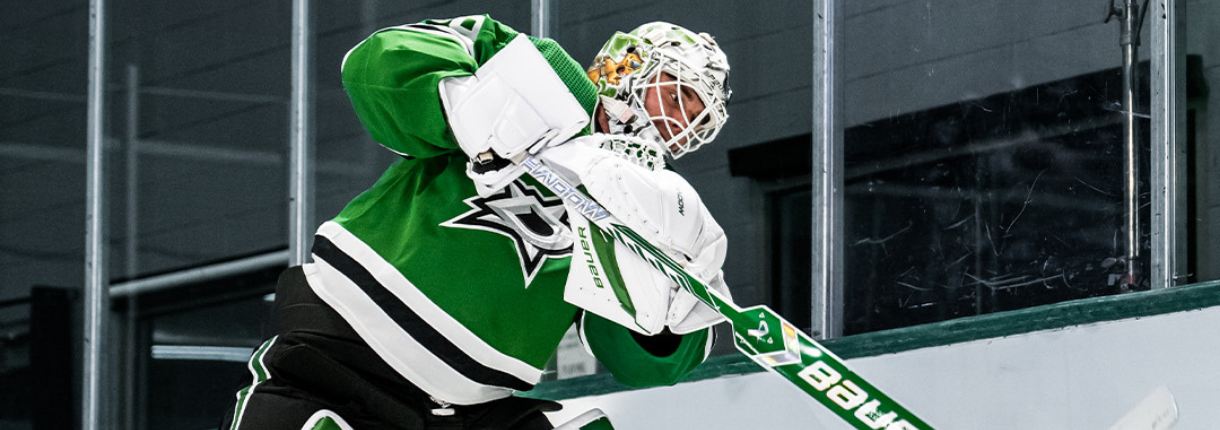
Quick Answer: Goalie goals remain extremely rare, but 2024-25 was the first NHL season with three goalie goals. Modern hockey may be creating better conditions through earlier empty-net pulls, improved puck-handling skills, and composite stick technology that makes full-ice shots more realistic.
Goalie goals are still one of hockey's rarest events, but the NHL has recently seen enough of them to raise a fair question about whether modern hockey is creating better scoring chances for goalies. Filip Gustavsson, Alex Nedeljkovic, and Ilya Sorokin's goals in the 2024–25 season were the first time in NHL history that more than one goaltender scored a goal in a single season. By March 2025, the league had already seen its first-ever season with three goalie goals.
The history of goalie goals shows how rare they are, but modern hockey may be giving goalies more favorable conditions through earlier empty-net situations, better puck-handling development, and stick technology that makes the full-ice shot more realistic than it used to be.
How Rare Are Goalie Goals, Really?
In all, 17 NHL goalies have been credited with a total of 20 goals (18 in the regular season, two in the Stanley Cup Playoffs). Goalie goals are rare, occurring roughly once every three years since 1979. That makes goalie goals one of the rarest statistical events in the sport.
This article is not arguing that goalie goals are now common. It is arguing that the conditions for them may be improving. The numbers support this cautiously optimistic view: the 2024-25 season was the first time in NHL history that more than one goaltender scored a goal in a single season, suggesting something fundamental may be shifting.
The History of Goalie Goals Starts With a Weird One
Billy Smith of the New York Islanders became the first goaltender to score an NHL goal on November 28, 1979, when he was given credit following an own goal by the Colorado Rockies. The first credited goalie goal in NHL history did not come from a full-ice shot. The puck entered the net due to an opponent's mistake, but Smith was the last player to touch it.
Goalie goals in NHL history fall into two categories:
- Goals the goalie actually shoots into the empty net
- Goals credited to the goalie after an opponent's own goal because he was the last player on his team to touch the puck
Eleven goaltenders have scored by shooting the puck into an empty net, with Ron Hextall doing it twice. The other eight goals have come when the goalie was credited with the goal by being the last player on his team to touch the puck before a member of the opposing team accidentally put it into his own net.
That distinction matters because the more interesting modern story is really about shot-scored goalie goals, not just goalie goals in the broad official-scoring sense. The actual shooting of the puck into an empty net represents the true skill element that modern conditions may be enhancing.
Why the Recent Run of Goalie Goals Feels Different
This is where the trend becomes real. Filip Gustavsson, Alex Nedeljkovic, and Ilya Sorokin's goals in the 2024–25 season were the first time in NHL history that more than one goaltender scored a goal in a single season. The 2024-25 season marks the first time the NHL has seen three goalie goals in a single season—a milestone that represents the strongest factual support for the article's central premise.
The sample is still small, but the recent cluster is real. Filip Gustavsson scored for Minnesota Wild at St. Louis Blues on Oct. 15, 2024, followed by Alex Nedeljkovic, who gathered a dump-in along the boards behind his net and quickly launched a shot from there. The puck landed beyond the red line, took three bounces and slid into the net with 2:42 remaining in the third period on January 18, 2025. Ilya Sorokin was credited with the goal with 12 seconds remaining when Nashville forward Steven Stamkos's errant pass went out of the zone and into his own net on March 1, 2025.
This clustering suggests that while goalie goals remain extraordinarily rare, the conditions that make them possible may be occurring more frequently in modern hockey.
Empty Nets Are Showing Up Under Better Conditions for Goalies
When trailing by one goal, teams typically pull their goalie around the 2-minute mark. The average pull time has increased about 30 seconds over recent seasons, though coaches remain more conservative than mathematical models recommend. Earlier pulls correlate with higher tying-goal percentages. When teams pull with 3–5 minutes left, tying probabilities jump sharply.
This tactical shift creates more favorable conditions for goalies in simple terms:
- More early pulls mean more empty-net possessions
- More empty-net possessions mean more chances for a goalie to get a clean touch
- More clean touches raise the odds of an actual attempt
Modern analytics have revolutionized empty net timing. Traditional coaching waited until the final minute, but data suggests earlier pulls maximize comeback probability. While this benefits the team pulling the goalie, it also increases the total amount of empty-net time available in games, giving goalies more opportunities to attempt the rare full-ice shot.
Currently, NHL teams are pulling their goalies earlier each season. As established, teams are successful at scoring with the goalie pulled around 15% of the time. The mathematics that encourage earlier pulls inadvertently create more shooting opportunities for opposing goalies.
Modern Goalies Are Better Puck-Handlers Than They Used to Be
Modern goalies benefit from improved equipment, puck-handling techniques, and confidence, making them more capable of attempting goals. The modern expectation that NHL goalies must be competent puck-handlers to succeed creates a stronger developmental argument: the goalie goal is not just a freak event. It is a flashy byproduct of a position that now expects more puck skill than many earlier generations did.
CCM has 12 goalies using the composite stick it introduced two seasons ago; among those making the switch this season were Carey Price of the Montreal Canadiens and Mike Smith of the Arizona Coyotes, arguably the two best puckhandling goalies in the League. The fact that elite puck-handling goalies are embracing new technology suggests the position's offensive capabilities are still evolving.
Today's goalies are developed with the understanding that puck-handling is a core competency, not an optional skill. This philosophical shift means more goalies enter the NHL already comfortable making the precise plays required for a successful long-distance shot.
True Project X Storm Goalie Stick
$359.99
Stick Technology May Be Part of the Story Too
Various models within brands offer different flex profiles, including ones that bend more in the shaft to make it easier to shoot the puck. Hutton said weight is the biggest difference between a composite stick and traditional blends of wood, fiberglass and foam. New composite sticks weigh less than 1.4 pounds compared to the old wood models that averaged closer to 1.9 pounds.
Better sticks do not make goalie goals easy. But they may make the long, accurate, elevated shot more realistic than it once was when paired with the right game situation. The composites are so stiff and rigid for playing pucks behind the net and making good plays and passes. I think it has benefited me.
Best Sticks for Goalie Goals
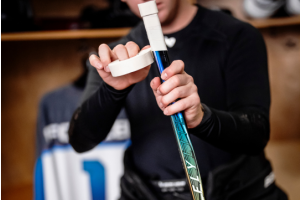
If part of the modern goalie-goal conversation is better puck play and more realistic long-distance clears, your stick matters. Today's composite goalie sticks are lighter, more balanced, and more responsive than older builds, which can help goalies settle pucks cleanly and move them with more confidence. The mid-kick flex profile is perfectly tuned for the modern goalie who needs to move pucks quickly but still wants that satisfying pop when clearing the zone. This provides a quicker release when making passes and elevating the puck in tight areas around the net.
Bauer Pulse Senior Goalie Stick
$359.99
Warrior Covert QR Senior Goalie Stick
$339.99
CCM Tacks Pro Senior Goalie Stick
$359.99
Frequently Asked Questions
How many NHL goalies have ever scored a goal?
In all, 17 NHL goalies have been credited with a total of 20 goals (18 in the regular season, two in the Stanley Cup Playoffs). Martin Brodeur has scored the most NHL goals by a goaltender, with two in the regular season and one in the playoffs.
What made the 2024-25 season special for goalie goals?
Filip Gustavsson, Alex Nedeljkovic, and Ilya Sorokin's goals in the 2024–25 season were the first time in NHL history that more than one goaltender scored a goal in a single season. This was the first season with three goalie goals in NHL history.
Are teams pulling their goalies earlier now?
When trailing by one goal, teams typically pull their goalie around the 2-minute mark. The average pull time has increased about 30 seconds over recent seasons, though coaches remain more conservative than mathematical models recommend.
How do modern goalie sticks compare to older ones?
New composite sticks weigh less than 1.4 pounds compared to the old wood models that averaged closer to 1.9 pounds. Various models within brands offer different flex profiles, including ones that bend more in the shaft to make it easier to shoot the puck.
Can goalies score on goalies that are still in net?
Under modern rules, the only realistic chance for the goaltender to score exists when the opposing goaltender is pulled for an extra attacker, leaving the 6-foot-wide (1.8-metre) net at the other end of the rink empty. It is presumed that the opposing goaltender, if in the net, would not commit a blunder and allow such a long shot to be successful.
Who was the first NHL goalie to actually shoot the puck into the net?
Ron Hextall of the Philadelphia Flyers became the second goalkeeper to score, and the first to score by taking a shot. Hextall became the first to score by shooting the puck into the net. He shot it the length of the ice into an empty net after Boston pulled goalie Rejean Lemelin, capping a 5-2 victory at the Spectrum.
How successful are teams when they pull their goalie?
When trailing by one goal, teams successfully tie games about 15% of the time after pulling their goalie. While unimpressive superficially, consider the alternative: not pulling gives roughly 0% chance of tying in those final minutes.
Do modern goalies have better puck-handling skills?
Modern goalies benefit from improved equipment, puck-handling techniques, and confidence, making them more capable of attempting goals. Today's goalies are developed with puck-handling as a core competency, not an optional skill.
Goalie goals remain hockey's ultimate rarity, but the 2024-25 season's three-goal milestone suggests modern conditions may be creating more opportunities. Earlier empty-net pulls, improved puck-handling expectations, and composite stick technology don't make goalie goals common—they may just make them slightly less impossible.
Ready to improve your own puck-handling game? Check out our complete selection of composite goalie sticks to find the stick that gives you the best combination of weight, balance, and performance for every situation on the ice.