What Hockey Goalie Equipment Does My Child Need? Beginner Parent Guide


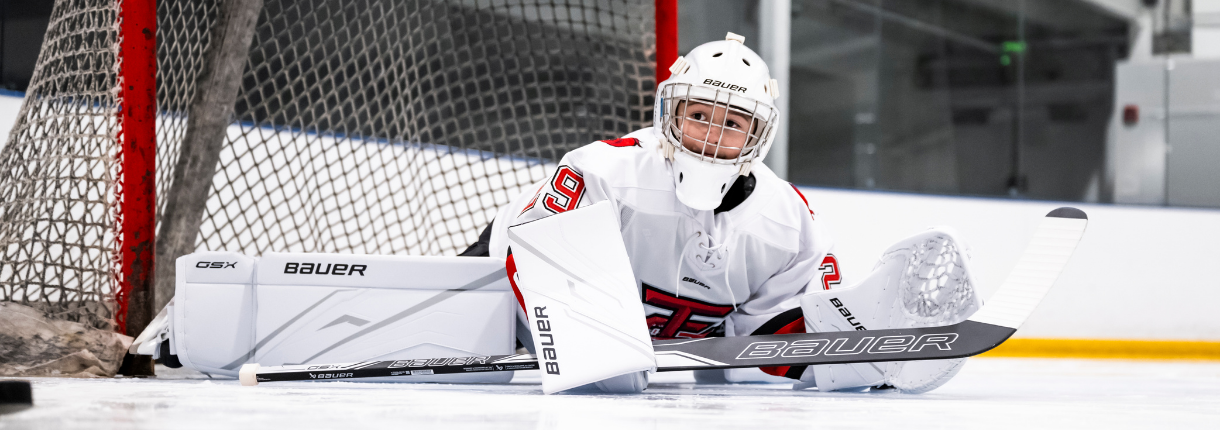
If your child wants to play hockey goalie, you are probably wondering what equipment they actually need—and what can wait until later. Between leg pads, gloves, masks, skates, and protective gear, getting started as a goalie can feel overwhelming for first-time hockey parents.
The good news? Beginner goalies do not need professional-level gear to start. Whether your child is trying goalie for the first time in Learn to Play Hockey, house league, or recreational hockey, focusing on proper fit, comfort, and protection matters most.
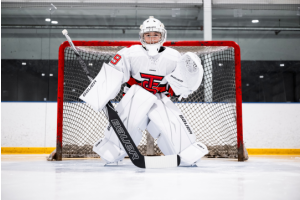
Quick Answer: Most beginner hockey goalies need goalie leg pads, a goalie glove and blocker, goalie mask, chest and arm protector, goalie skates, goalie stick, neck guard, goalie jock or jill, and properly fitted hockey pants. Many beginner programs or local associations may also offer rental goalie gear.
Quick Equipment Checklist for Beginner Hockey Goalies
If you are unsure where to begin, here is a simple beginner goalie checklist:
- Goalie leg pads – Protect the legs and help cover the net.
- Goalie glove (catch glove) – Used to catch pucks.
- Goalie blocker – Protects the stick hand and redirects shots.
- Goalie mask – Required for safety and head protection.
- Chest and arm protector – Protects the upper body.
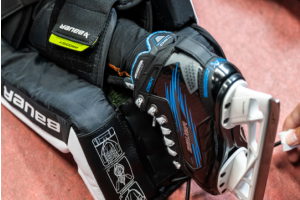
- Goalie skates – Designed specifically for crease movement.
- Goalie stick – Built wider and differently than player sticks.
- Neck guard – Required in many youth leagues.
- Goalie jock or jill – Extra lower-body protection.
- Goalie pants – Offer additional hip and thigh protection.
What Goalie Pads Does My Child Need?
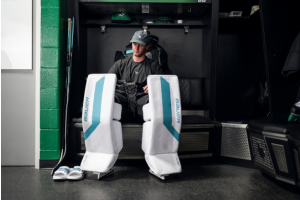
Goalie leg pads are one of the most recognizable parts of goalie equipment. They protect the legs while helping goalies block shots and move efficiently in the crease.
For beginner goalies, lightweight and properly fitted pads are more important than pro-level features. Pads that are too large can make movement difficult and impact confidence.
Recommendation: Proper sizing matters more than brand or price. Youth goalie pads are typically sized using a goalie’s ankle-to-knee measurement.
What Is the Difference Between a Goalie Glove and Blocker?
Unlike player gloves, goalies wear two different gloves designed for separate jobs.
- Goalie glove (catch glove) – Worn on the non-stick hand to catch shots.
- Goalie blocker – Worn on the stick hand to protect the hand and deflect pucks away.
Most beginner goalies purchase these together as part of a matching goalie set.
Does My Child Need a Goalie Mask?
Yes—goalie masks are required and are one of the most important pieces of safety equipment. Hockey goalies face direct shots, so proper fit and protection matter.
A goalie mask should fit snugly without shifting and meet safety certification requirements for youth hockey.
Tip: Avoid oversized masks for young goalies, as poor fit can reduce comfort and protection.
What Chest Protector Does My Child Need?
A goalie chest and arm protector helps absorb impact from shots while protecting the chest, shoulders, ribs, and arms.
Beginner goalies should prioritize mobility and comfort over elite-level protection. A properly fitted chest protector allows young goalies to move confidently while learning positioning.
Do Beginner Goalies Need Goalie Skates?
Yes—goalie skates are designed differently than player skates. They provide better stability, crease movement, and protection for goalies.
While some young goalies may briefly try the position in player skates, most players transitioning into goalie benefit from properly fitted goalie skates.
Recommendation: Fit matters more than buying the highest-end model.
What Kind of Stick Does a Hockey Goalie Need?
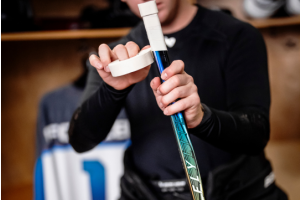
Goalie sticks are different from player sticks. They are wider near the paddle to help stop pucks and improve puck handling around the crease.
For beginner goalies, choosing the correct size matters more than advanced materials or pro-level performance features.
Does My Child Need a Neck Guard or Goalie Jock?
Yes—many youth hockey organizations require neck protection for goalies, and goalie-specific jocks or jills offer additional lower-body protection.
Because goalies face more direct shots than players, goalie-specific protective gear is highly recommended.
How Much Does Beginner Hockey Goalie Equipment Cost?
Goalie equipment is generally more expensive than player gear because of the additional protection required.
Most beginner families spend between $400–$1,500+ depending on age, equipment quality, and whether gear is purchased new or used.
Many local hockey associations also offer goalie loaner programs, allowing kids to try the position before families invest in a full setup.
Recommendation: Many first-time goalie families start with used or entry-level gear until their child decides if they enjoy playing goalie long term.
Common First-Time Goalie Parent Mistakes
- Buying oversized pads – Bigger is not always better for young goalies.
- Skipping goalie skates – Player skates can limit movement and comfort.
- Overspending too early – Beginners do not need pro-level goalie gear.
- Ignoring proper fit – Proper sizing helps confidence and safety.
Frequently Asked Questions
What age can kids start playing hockey goalie?
Many players begin trying goalie between ages 6–10, though some Learn to Play programs introduce goalie gear earlier.
Can beginner goalies borrow equipment?
Yes—many local hockey associations and beginner programs offer goalie loaner equipment for new players.
Does my child need goalie-specific skates?
Eventually, yes. Goalie skates are designed for crease movement and better stability.
Is goalie equipment expensive?
Goalie equipment can be costly, but families can often save money through used gear, bundles, or association loaner programs.
Final Thoughts
Starting hockey goalie may feel overwhelming at first, but getting your child properly equipped does not have to be complicated. Focus on properly fitted gear, protection, and helping your child enjoy learning the position.
The most important thing for beginner goalies is building confidence and having fun. Whether your child is trying goalie in Learn to Play Hockey or joining a youth team, the right equipment can help them stay safe, improve, and enjoy every moment in the crease.