Toe Bungees vs Toe Ties: Which Is Better for Goalies?


Quick Answer: The Key Differences
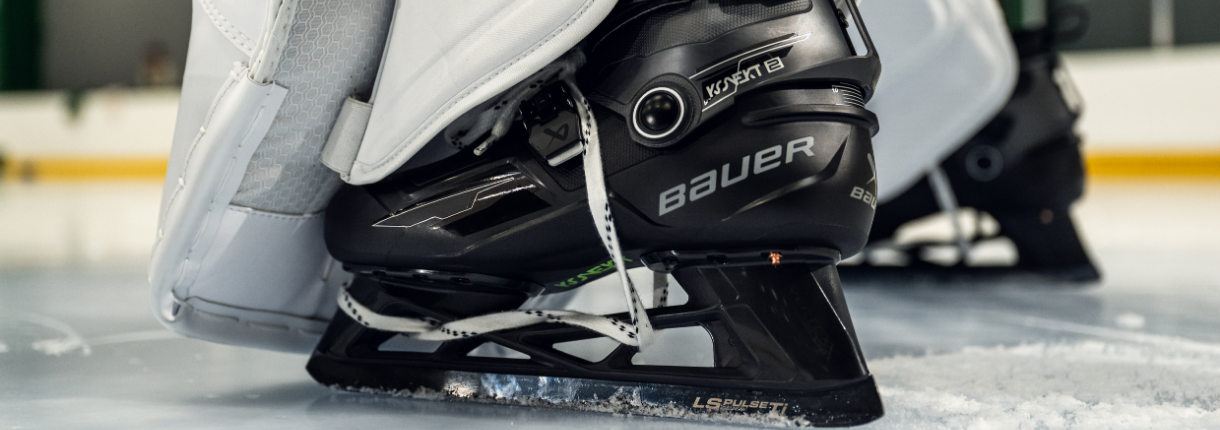
Skate Lace Toe Ties: Pad is secured very tightly to your skate which is an advantage for goalies that like to "feel" the pad. Provide maximum responsiveness and control but require proper setup to avoid joint stress.
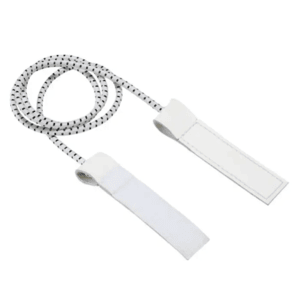
Elastic Toe Bungees: The flexibility of elastic allows your pad to rotate better than a solid, lace style toe tie. The elastic stretches to allow further pad rotation than lace, then actively re-centers the pad once the goalie gets back to their feet.
Bottom Line: Most goalies right up to the NHL go by the number of knots they tie into the skate lace that connects the two for a reason — responsiveness matters more than comfort for advanced play.
The Biomechanics Behind Toe Attachment Systems
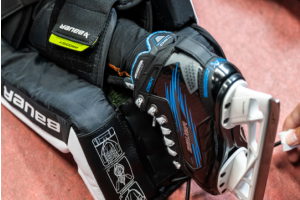
The purpose of a toe tie is to control the rotation of a leg pad around the goalie's shin. Toe ties are the system that connects the tip of a goalie pad boot to the goalie's skate.
Your toe attachment system directly influences three critical aspects of pad performance:
Pad Rotation Control
Skate Lace Systems: Provide precise, immediate feedback. When you initiate a butterfly or RVH movement, the pad responds instantly to your leg position. This direct connection means every micro-adjustment translates to pad movement.
Elastic Systems: Allow controlled delay in response. The elastic stretches to allow further pad rotation than lace, then actively re-centers the pad once the goalie gets back to their feet. This can help or hurt depending on your playing style.
Recovery Speed
The difference becomes crucial during rapid transitions. In RVH recovery situations, skate lace systems allow you to feel exactly where your pad is positioned, enabling faster, more precise movements back to your feet.
Post Integration Precision
Demko prefers to seal his post with the bottom edge of his pad, or toe bridge, rather than with his skate blade. "If I'm in the reverse, I just don't like seeing that little three-inch gap of space between the skate and the post". This level of precision requires the immediate feedback only lace systems provide.
Why Elite Goalies Choose Skate Lace
Stretchable toe ties made out of material that stretches are the superior choice used by goalies around the world and the majority of the NHL — but this statement oversimplifies a more complex reality.
Many elite goalies actually prefer the precision of properly configured skate lace systems, especially for:
Responsive Feel
Skate lace provides unfiltered feedback from your skate to your pad. Every edge movement, every subtle positioning adjustment gets transmitted immediately. This matters most during:
- Quick post-to-post movements
- RVH positioning against tight angles
- Recovery from challenging saves
Consistent Performance
Unlike elastic systems that can lose tension over time, properly tied skate lace maintains consistent tension throughout your session. We've worked with goalies at pretty much every level of play, including the NHL (who use these), and honestly, these things actually last for quite some time. That is, unless, you take a skate blade to the skate the first time you get on the ice.
Customization Advantages
Skate lace systems offer infinite adjustability. You can create:
- Multiple knot configurations for different gap distances
- Hybrid tension zones with loose lace and strategic knots
- Season-specific setups as your technique evolves
RVH Performance and Pad Control
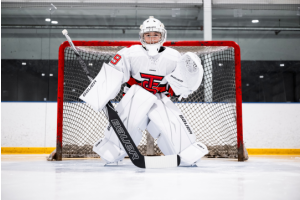
To most effectively use the RVH technique for goalies, the post leg must lie flat on the ice with the skate blade touching the post. For maximum post seal, the toe of the goalie pad and the goalies skate will cradle the post itself.
This precise positioning requirement highlights why toe attachment choice matters so much for RVH performance.
Post Seal Precision
A lot of goalies are creating more slack in their toe-ties, creating a larger area to hit the post in the toe lock position. Similar to skate on post, using the toe still keeps your hips pretty far away from the post and can be uncomfortable for some, but it less of a lean to seal the post.
The ability to fine-tune your toe tie gap becomes critical. With skate lace, you can adjust this distance precisely — something elastic systems make more difficult.
Recovery Challenges
Recoveries out of the RVH also pose a challenge for goalies. In these cases, your recovery is further impeded because you do not have time to re-gain your feet.
During these critical transitions, the immediate feedback from skate lace systems can mean the difference between a controlled recovery and being caught out of position.
Hybrid Setup Techniques
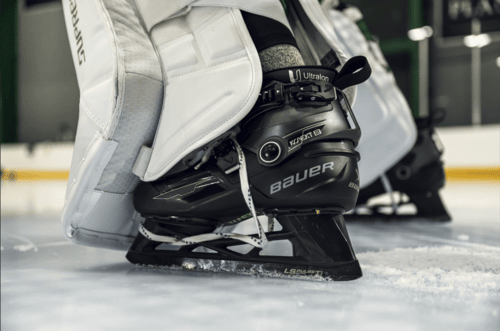
The most sophisticated goalies don't choose between lace and elastic — they create hybrid systems that capture the benefits of both.
Loose Lace with Strategic Knots
This technique involves:
- Base Setup: Use skate lace threaded through your toe bridge
- Tension Points: Tie knots at specific distances to create controlled "stops"
- Gap Management: Allow 2-3 inches of lace between knots for controlled stretch
The "Pro Lace" Method
The Pro Laces Hybrid Goalie Toe Bungee is provided with a sheath using a waxed lace, protecting the elastic against premature wear of it while covering it in its entirety and offering a classic look at the tie while maintaining the usual performance of the product. The Pro Laces Armor Hybrid comes with the same configuration as the regular Armor product but instead of a full length elastic, it is configured with a gap between your pad and where you attach your Pro Laces to your skate.
This approach combines:
- Outer Protection: Waxed lace covering
- Inner Elasticity: Shock cord core
- Professional Appearance: Clean, traditional look
Brand-Specific Hybrid Options
Bauer Systems: Easily converted to hybrid by removing velcro components and adding strategic knots.
TRUE Pads: Often come with hybrid-ready bridges that accommodate both systems.
Custom Solutions: Professional shops can retrofit most pad brands for hybrid systems.
Common Misconceptions About Joint Strain
Goalies can create stress on their hip, knee, and ankle joints, especially in the RVH/Post Lean position — but this statement requires context.
The Real Cause of Joint Stress
Over-tightening: The primary cause of joint problems isn't the lace itself, but improper tension adjustment.
Poor Technique: Forcing positions instead of allowing natural movement patterns.
Inadequate Flexibility: Limited hip and ankle mobility exacerbated by any toe tie system.
Proper Lace Configuration Prevents Problems
Appropriate Gap Distance: 2-4 inches between pad and skate allows natural movement.
Strategic Knot Placement: Knots should provide stops, not constant tension.
Regular Adjustment: Tension needs vary by session, ice conditions, and fatigue level.
When Elastic Systems Still Cause Issues
Inadequate Stretch: Too-short elastic creates the same problems as over-tight lace.
Poor Quality Materials: Cheap elastic systems can create unpredictable tension patterns.
Wrong System Choice: Some goalies need the control only lace systems provide.
When to Transition from Elastic
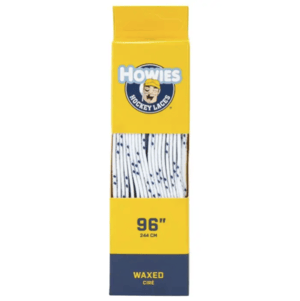
The decision to switch from elastic to lace systems usually comes at specific development stages:
Technical Skill Indicators
RVH Proficiency: When you're consistently using RVH and need precise post positioning.
Post-to-Post Speed: If you're working on rapid lateral movements and need immediate pad response.
Recovery Consistency: When pad positioning awareness becomes critical to your game.
Performance Level Markers
Competitive Level: Generally, AAA bantam and above benefit from lace precision.
Playing Style: Aggressive, athletic goalies often prefer lace responsiveness.
Equipment Investment: If you're investing in high-end pads, maximize their performance potential.
Age and Physical Development
Youth Considerations: You, specifically your hips, will love you — elastic systems often better for developing goalies.
Junior/Intermediate: Transition period where hybrid systems work well.
Senior/Adult: Usually ready for full lace systems if technique supports it.
Professional Installation and Customization
Setting up toe ties properly requires expertise — especially for hybrid systems or advanced configurations.
What Professional Fitting Provides
Precise Measurements: Thatcher Demko got a lot more specific with his answer, both in terms of how long and why. The Vancouver Canucks No. 1 talked about the importance of having his toe ties set up properly when he's in Reverse (or RVH) during a lengthy, in-depth interview.
Professional fitting ensures your toe tie gap matches your specific technique and body mechanics.
Quality Materials: Access to professional-grade skate lace, shock cord, and hardware that outlasts retail alternatives.
Ongoing Adjustments: As your technique evolves, professional shops can modify your setup accordingly.
GoalieMonkey's Customization Services
Our expert technicians understand that toe tie setup isn't one-size-fits-all. We offer:
- Individual Assessment: Analyzing your playing style and technique needs
- Professional Installation: Ensuring optimal performance and longevity
- Follow-up Adjustments: Fine-tuning as you adapt to your new setup
Visit your local GoalieMonkey or contact our online experts to discuss your toe tie setup. Our goal is maximizing your pad performance, whether that means upgrading to lace systems or optimizing your current elastic setup.
FAQ
Do NHL goalies really use skate lace toe ties?
We've worked with goalies at pretty much every level of play, including the NHL (who use these) — many professional goalies use elastic systems, but a significant number prefer lace for the precision and responsiveness, especially those who rely heavily on RVH technique.
Will skate lace toe ties hurt my joints?
Goalies can create stress on their hip, knee, and ankle joints, especially in the RVH/Post Lean position — but this happens with over-tight setups. Properly configured lace with appropriate gap distance actually provides better control with less stress than poorly fitted elastic systems.
How do I know if my toe ties are set up correctly?
You should have 2-4 inches of gap between your pad and skate when standing normally. A lot of goalies are creating more slack in their toe-ties, creating a larger area to hit the post in the toe lock position. The pad should rotate freely during butterfly movements without feeling restrictive.
Can I convert my elastic toe ties to skate lace?
Most pad brands can be converted, with Bauer, TRUE, and Vaughn offering the easiest transitions. We do see some goalies still wearing a lace system like this, but Bauer could do better and switch to a Toe Hook or Toe Tie system. In fact, on the Bauer 2X lineup, they've done just that.
What's the difference between flat elastic and bungee cord toe ties?
Flat elastic toe ties were the first iteration in the market, and have become the least common design. Flat elastic lacks long term durability. Not designed for repeated full-length stretches. Turns into "old underwear" waistband quickly. Bungee cord (shock cord) systems offer better durability and consistent tension.
Are hybrid toe tie systems worth the extra cost?
For goalies who want the benefits of both systems, hybrid setups provide an excellent middle ground. The Pro Laces Hybrid Goalie Toe Bungee is provided with a sheath using a waxed lace, protecting the elastic against premature wear while maintaining professional appearance and performance.
How often should I replace my toe ties?
These things actually last for quite some time. That is, unless, you take a skate blade to the skate the first time you get on the ice. Quality elastic systems typically last 6-12 months of regular use, while properly maintained skate lace can last multiple seasons.
Do toe ties affect pad performance in butterfly slides?
Yes significantly. The flexibility of elastic allows your pad to rotate better than a solid, lace style toe tie. The elastic stretches to allow further pad rotation than lace, then actively re-centers the pad once the goalie gets back to their feet. However, lace systems provide more precise control during the slide itself.
Should youth goalies use elastic or lace toe ties?
You, specifically your hips, will love you — elastic systems are generally recommended for developing goalies. The forgiveness helps prevent injury during the learning phase, though advanced youth players may benefit from transitioning to lace systems as their technique develops.